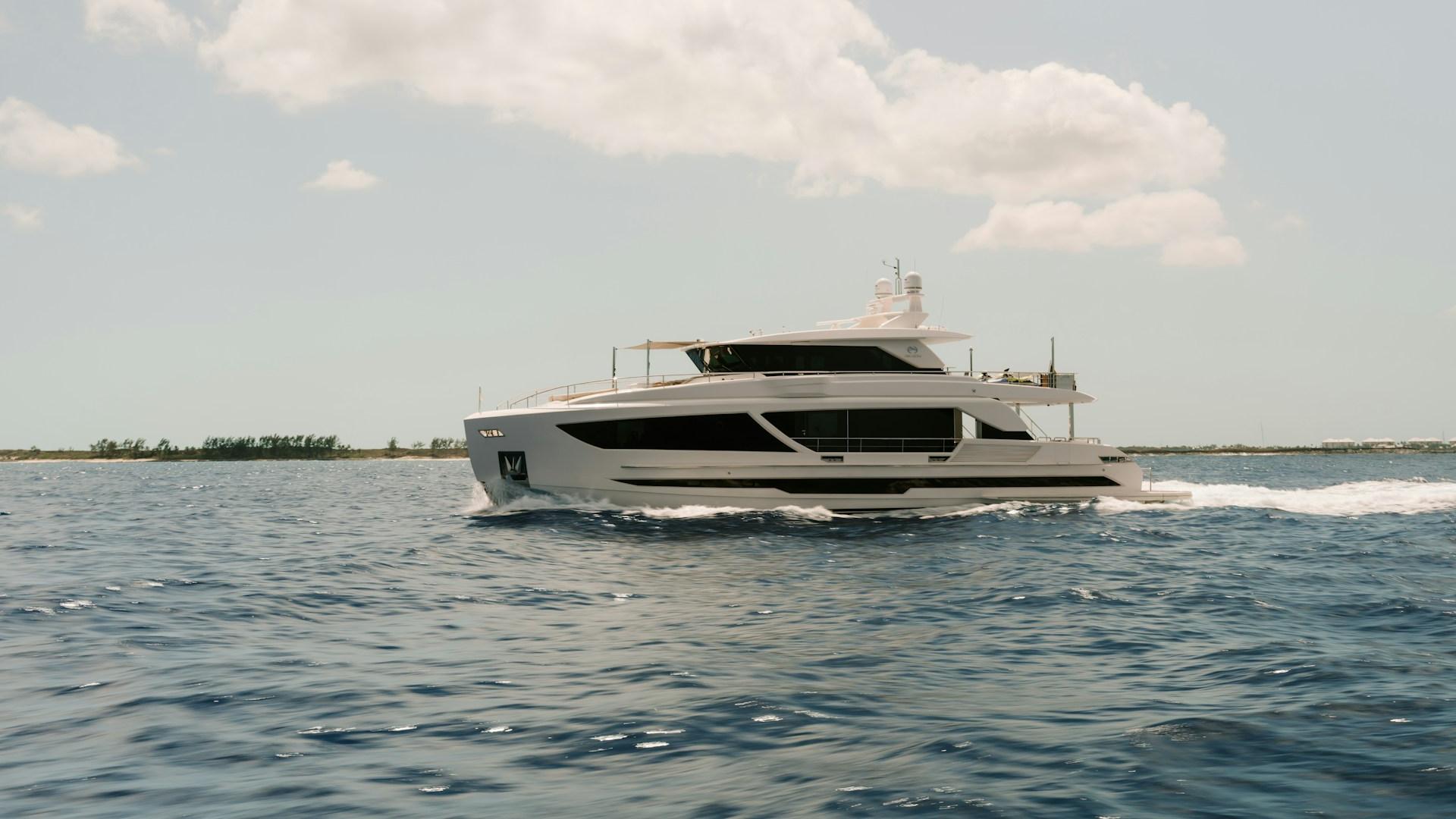
How to Buy a Superyacht: Complete Guide for Buyers
Buying a superyacht involves careful planning, legal steps, and expert guidance—ensuring ownership transforms from a complex purchase into a rewarding lifestyle of freedom, luxury, and life at sea.
What makes buying a superyacht so complex yet so irresistible? The numbers alone reveal part of the story. The global superyacht market is projected to surpass $13 billion by 2028, with demand growing among private buyers & investors alike. Still, many who dream of ownership face the same hurdles: endless legal details, hidden costs, and the risk of buying a vessel that doesn’t match their lifestyle.
If you have wondered how to move past those challenges, you are not alone. Every new yacht buyer asks the same questions about registration, maintenance, & resale value. This guide strips away the confusion and gives you clear steps with insider knowledge so you can approach the buying process with confidence.

1. Decide What Type of Superyacht You Want
Buying a superyacht begins with one clear question: what type of yacht fits your vision of life at sea? The answer lies in defining size, style, and intended use before you take any further step.
Motor Yacht or Sailing Yacht?
Motor yachts deliver speed, comfort, & effortless cruising. They are perfect if you want to cross the Mediterranean quickly or entertain large groups with the amenities of a floating resort. Sailing yachts move at a slower pace and offer elegance, tranquility, and a closer connection to the ocean.
Think About Passenger Numbers
Will your yacht host family weekends, charter guests, or corporate gatherings? The number of passengers directly shapes the size of the vessel & the interior layout you will need.
Layout & Lifestyle Features
Superyachts today go far beyond cabins and lounges. Options include helipads, cinemas, gyms, jacuzzis, and private beach clubs. Choose the features that match how you want to spend time onboard.
Range & Speed
If long crossings or world cruising appeal to you, focus on yachts with extended range and higher speed capabilities.
Browse through our Yachts for Sale to start shaping your shortlist.
2. Understand the Costs Beyond the Purchase
Buying a superyacht is only the beginning. Ownership comes with ongoing expenses that can range from 10% to 15% of the yacht’s value every year. Knowing these costs upfront prevents surprises & helps you budget effectively.
Crew Salaries & Training
A superyacht is only as good as its crew. From captains and engineers to chefs and stewards, salaries form one of the largest expenses. Training & certifications are equally important to maintain safety and service standards.
Docking & Fuel
Where you keep your yacht matters. Marina fees vary depending on location. Mediterranean hotspots such as Monaco or Ibiza come with premium costs. Fuel consumption is another significant factor, especially for large motor yachts.
Insurance & Permits
Comprehensive insurance protects against accidents, liabilities, and potential damages. On top of that, permits and regulatory fees differ depending on your yacht’s flag state & cruising regions.
Regular Maintenance & Refits
Engines, electronics, interiors, and safety equipment require consistent servicing. Refits, whether cosmetic upgrades or technical updates, keep the yacht competitive in resale or charter markets.
To simplify ownership, our Yacht Management service handles daily operations, crew management, and maintenance scheduling so you can focus on enjoying life at sea.

3. Work with an Experienced Yacht Broker
Buying a superyacht is not a solo journey. The yacht broker is your most important partner in the process. Their expertise saves time, reduces risk, & opens doors to opportunities you will not find on public listings.
Access to Off-Market Yachts
Many of the world’s finest yachts never appear on open platforms. Brokers have insider access to these exclusive opportunities, giving you a wider selection and better deals.
Negotiation & Deal Support
From initial offers to final contracts, negotiations are complex. A broker represents your interests, making sure the terms protect your investment while aligning with your goals.
Handling Legal & Financial Details
Buying a superyacht involves flag registration, surveys, tax considerations, & insurance requirements. A broker coordinates these steps with lawyers, surveyors, and banks, removing stress from the process.
Global Reach with Roccabella Yachts
Roccabella Yachts operates in the world’s most prestigious hubs: London, Dubai, Geneva, Mallorca, & Miami. Wherever you want to buy, our team has local knowledge & direct market connections.
With the right broker by your side, buying a superyacht becomes an informed, structured, and rewarding experience.
4. Legal, Tax & Flag Registration
Owning a superyacht comes with important legal responsibilities. One of the most significant decisions you will make is choosing the flag state, the country where your yacht is registered. This choice impacts safety standards, crewing regulations, tax treatment, and even whether your yacht can be used for commercial charter.
Popular options include the Cayman Islands, Malta, and the Marshall Islands. Each offers specific benefits, from favourable tax regimes to strong reputations in the international yachting community. Selecting the right flag depends on how you plan to use the yacht: privately, commercially, or a combination of both.
Tax structures also require careful planning. VAT, import duties, and charter income rules vary depending on your cruising grounds. Missteps here can be costly, which is why working with professionals is essential.
Consulting maritime legal specialists such as Freis Solicitors provides clarity on ownership structures, liability protections, and compliance requirements. At Roccabella Yachts, we collaborate with trusted lawyers to make sure every detail is handled correctly. That way, you can focus on the enjoyment of ownership while knowing the legal & tax framework is secure.
5. Due Diligence & Survey
Before finalising your purchase, due diligence is essential. A superyacht is a complex asset. Engines, hull, electronics, and interiors must all be carefully inspected to protect your investment.
A marine surveyor will conduct a full technical assessment. This process identifies hidden maintenance issues, safety risks, or upcoming repair costs that may affect the value of the yacht. The report not only highlights problems but also provides leverage for negotiations. It can help you secure a fair price or request repairs before closing the deal.
Due diligence does not stop with the physical survey. Reviewing the yacht’s history is just as important. Check past ownership records, charter use, warranties still in effect, and compliance certificates for international safety and environmental standards. Ignoring these details can result in unexpected expenses or legal issues later.
By completing this step, you gain transparency and peace of mind. You can be sure the yacht you are buying is exactly what it claims to be.
6. Charter or Private Use?
One of the first decisions after purchase is whether to keep your yacht for private use or enter it into the charter market. Each choice has clear benefits depending on lifestyle and financial goals.
Private use offers exclusivity, privacy, and full control. It is ideal for owners who see the yacht as a family retreat or a personal escape at sea.
Chartering can generate significant income. A well-managed charter yacht often offsets part of the running costs. Professional crew, marketing, and consistent maintenance are essential to attract guests.
Roccabella Yachts supports both paths. Browse our Yachts for Charter or search through available listings. You can also explore Charter Destinations to see how ownership can combine lifestyle with revenue.
7. Custom Build vs Pre-Owned
When buying a superyacht, one of the most important choices is whether to purchase a pre-owned yacht or commission a new build. Both options have clear advantages.
A new build offers complete personalisation. Layout, interiors, and features can reflect your exact vision. This guarantees a yacht designed around your lifestyle. However, delivery can take three to five years.
Pre-owned yachts are available immediately and often at competitive prices compared with new builds. Many have already been refitted or upgraded. This makes them excellent opportunities for buyers who want immediate ownership.
At Roccabella Yachts, we guide clients through both routes. Whether you want to explore current listings or Build a Yacht with the world’s best shipyards, our team helps you make the right choice.
8. Final Negotiation & Closing
The final stage of the purchase is where everything comes together. Once surveys and legal reviews are complete, negotiations are finalised. Contracts are signed, funds are transferred, and the yacht officially becomes yours.
Your broker leads the process by coordinating with lawyers, banks, surveyors, and the shipyard. Their role is to keep the transfer smooth. They make sure deadlines are met, obligations are clear, and ownership is transferred without complications.
This stage also finalises delivery details, agreed repairs, and management setup.
For an overview of buying and selling, visit our Sell a Yacht page.

Conclusion
Buying a superyacht is more than a purchase. It defines how you experience freedom, luxury, and life at sea. With the right yacht, structured ownership, and expert support, the process becomes rewarding. Careful planning and trusted guidance remove confusion and let you focus on the lifestyle. The question is no longer whether you can buy a superyacht. The real question is whether you are ready to shape the life that comes with it.
Frequently Asked Questions
How long does it take to buy a superyacht?
The buying process can take anywhere from a few weeks to several months. Timing depends on factors like surveys, legal reviews, financing, and whether the yacht is pre-owned or a custom new build.
Can you finance a superyacht purchase?
Yes, many buyers use specialist marine financing. Banks and private lenders often provide loans or leasing structures tailored for high-value yachts, though terms vary based on the yacht’s value and location.
What is the resale value of a superyacht?
Resale value depends on age, condition, brand, and market demand. Well-maintained yachts from respected shipyards tend to hold value better, especially if they’ve been updated with modern technology and interiors.
Do you need a license to operate a superyacht?
If you plan to captain the yacht yourself, a license is required. Most owners hire professional crew, meaning the captain and crew hold the necessary certifications for safe operation.
Where are the best places to keep a superyacht?
Prime berths are available in destinations like Monaco, Ibiza, Miami, and Dubai. Marina choice depends on yacht size, cruising plans, and whether you plan to charter or use the yacht privately.